




Walking for Fat Loss: The Underrated Weapon Against Visceral Fat
When most people think about fat loss, they picture HIIT sessions, sweat-drenched circuits, or brutal calorie cuts. But in 2026, one of the most powerful — and sustainable — tools for fat loss is something far simpler:
Walking.
Not glamorous. Not extreme. But metabolically powerful — especially when it comes to reducing visceral fat, the dangerous fat stored around your organs.
What Makes Visceral Fat Different?
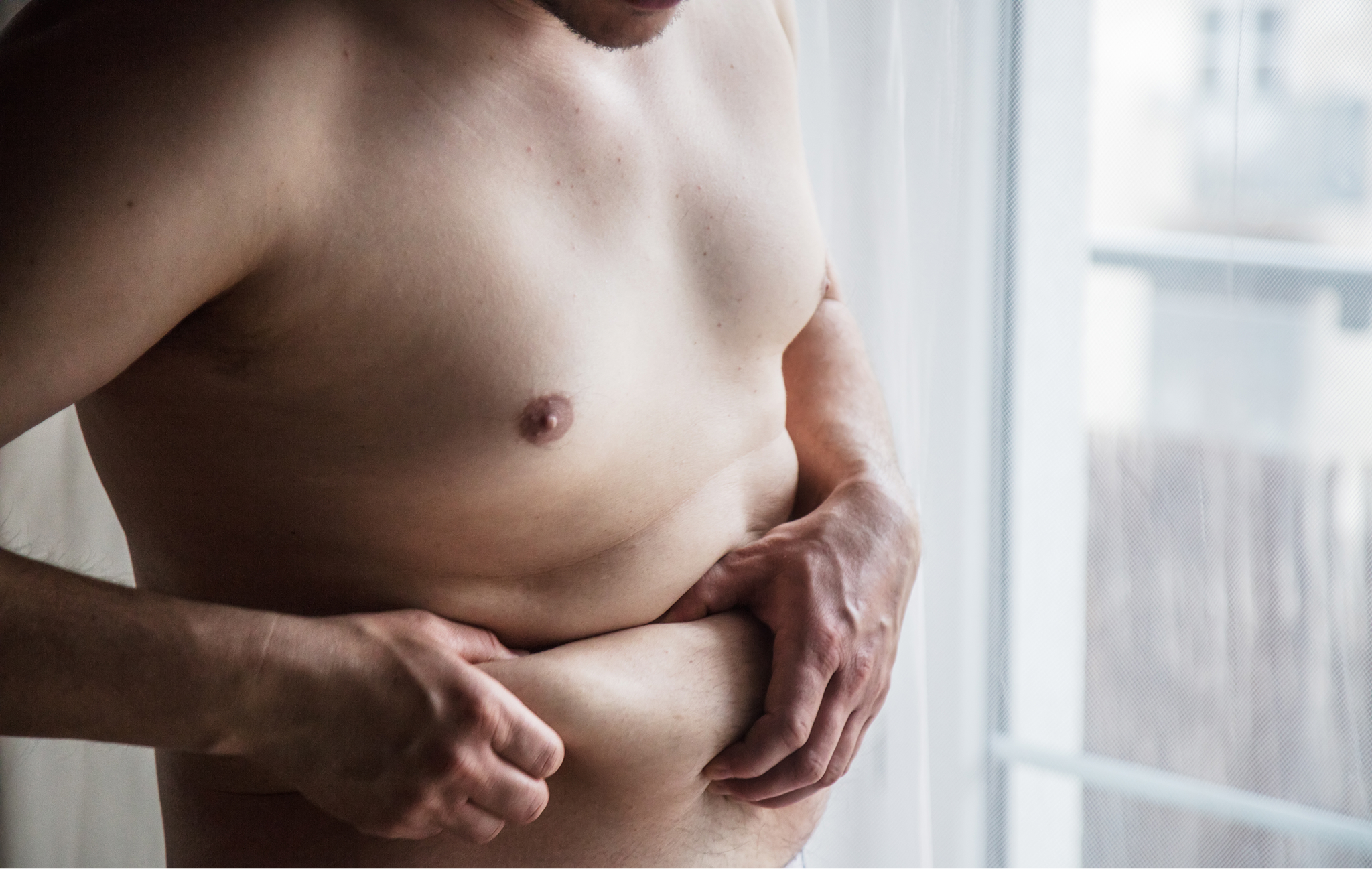
Visceral fat isn’t just about appearance. It wraps around organs like the liver and pancreas and is strongly linked to:
- Insulin resistance
- Type 2 diabetes
- Cardiovascular disease
- Chronic inflammation
According to the Harvard Health Publishing, excess visceral fat is associated with higher risks of metabolic disease even in people who appear lean externally. That’s why reducing it isn’t just aesthetic — it’s protective.
How Walking Promotes Fat Loss

1. Walking Increases Daily Energy Expenditure (Without Stressing Recovery)
Fat loss ultimately requires a calorie deficit. Walking increases your daily energy burn — but without triggering high recovery costs like intense cardio or heavy training.
The Mayo Clinic highlights that regular brisk walking can help maintain a healthy weight and improve cardiovascular health, particularly when performed consistently.
The key word: consistency.
2. Walking Specifically Targets Visceral Fat
Multiple controlled trials show that moderate-intensity aerobic activity — including brisk walking — reduces abdominal and visceral fat even when overall weight loss is modest.
A study published in JAMA Network demonstrated that moderate aerobic exercise reduced visceral fat independent of dramatic weight changes. This is critical: you can improve internal fat distribution even before the scale shifts significantly.
Similarly, research reported by The American Journal of Clinical Nutrition has shown that consistent moderate aerobic exercise reduces intra-abdominal fat and improves insulin sensitivity.
3. Walking Improves Insulin Sensitivity
Visceral fat thrives in high-insulin environments. Walking:
- Improves glucose uptake
- Lowers post-meal blood sugar
- Enhances insulin sensitivity
The American Diabetes Association notes that regular physical activity, including brisk walking, plays a major role in blood glucose control and reducing metabolic risk.
A simple 10–15 minute walk after meals can significantly blunt glucose spikes — directly impacting fat storage mechanisms.
Why Walking Works So Well for Long-Term Fat Loss
Low Cortisol Load
Excessive high-intensity training can increase stress hormones in some individuals. Walking provides fat-burning benefits without significant hormonal stress.
High Adherence
You don’t need a gym. You don’t need equipment. You can do it daily. Long-term adherence is what drives body composition change.
Complements Strength Training
Walking increases total daily energy expenditure (TDEE) without interfering with muscle recovery — making it ideal alongside resistance training programs.
How Much Walking Is Enough?
Research generally supports:
- 150–300 minutes per week of moderate-intensity activity
- Roughly 8,000–12,000 steps per day for many individuals targeting fat loss
- Brisk pace (you can talk, but not sing)
You don’t need extreme step counts — consistency beats intensity.
Practical Strategy for Fat & Visceral Fat Reduction
- Lift weights 3–5x per week
- Add 20–40 minutes of brisk walking daily
- Walk 10–15 minutes after meals
- Maintain a moderate calorie deficit
- Prioritize sleep and protein intake
This combination improves body composition while preserving lean mass — which keeps metabolism higher long term.
The Bottom Line
Walking isn’t flashy — but it’s powerful.
It reduces visceral fat, improves insulin sensitivity, supports sustainable calorie deficits, and enhances cardiovascular health — all with minimal recovery cost.
In a fitness world obsessed with intensity, walking remains one of the most underrated tools for long-term fat loss and metabolic health.
And sometimes, the simplest tools win.