




The Ultimate Guide to Supplements for Muscle Growth
What Actually Works (Backed by Evidence)
If you’re training hard inside UGC — pushing volume, chasing progression, competing on leaderboards — supplements aren’t magic.
But they can amplify results.
The key is knowing:
- What works
- What’s overhyped
- What dose actually matters
- What’s supported by real evidence
Let’s break down the core supplements that actually move the needle for muscle growth, strength, recovery, and hormone optimisation.
1. Creatine Monohydrate – The King of Muscle Supplements
If you take only one supplement for performance, make it creatine.
What It Does
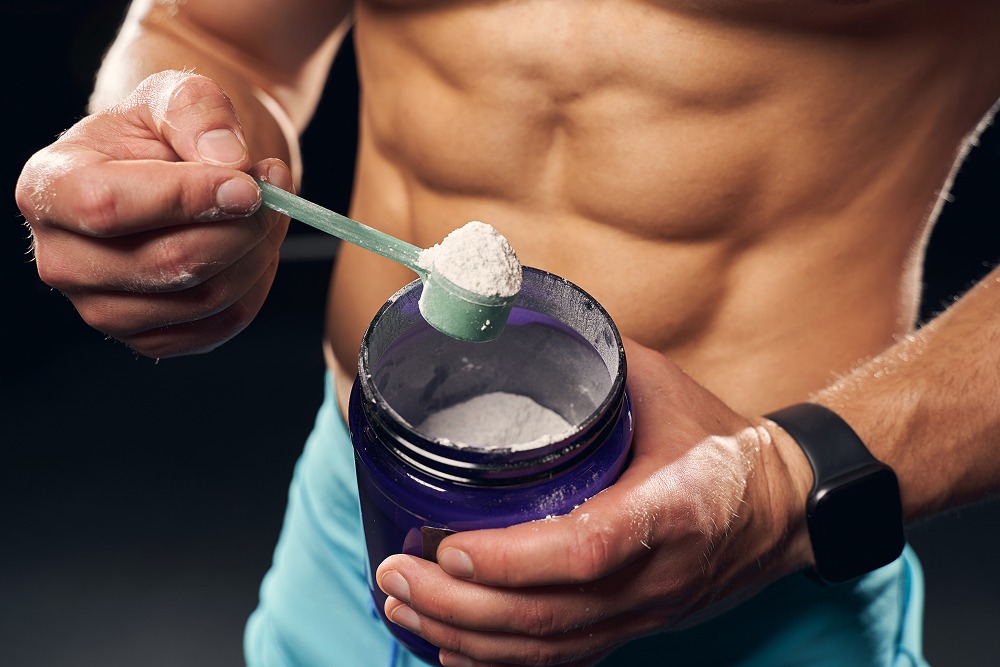
Creatine increases intramuscular phosphocreatine stores, which:
- Improves ATP regeneration
- Increases strength output
- Enhishes training volume
- Improves recovery between sets
More ATP = more reps = more progressive overload.
And progressive overload is what builds muscle.
Evidence
Creatine is one of the most studied supplements in sports science.
Meta-analyses consistently show:
- Increased lean body mass
- Improved maximal strength
- Enhanced high-intensity performance
- Potential cognitive benefits
It also has strong safety data across decades of research.
Dose
- 3–5g daily
- No loading phase required (optional 20g/day for 5 days if desired)
- Take anytime — consistency matters more than timing
Myths
- ❌ Does not damage kidneys in healthy individuals
- ❌ Does not cause hair loss (no strong clinical evidence)
- ❌ Does not cause fat gain
It may increase intracellular water in muscle — which actually enhances muscle fullness.
For UGC athletes pushing heavy compounds, creatine is non-negotiable.
2. Protein – The Foundation of Muscle Growth
Supplements don’t build muscle. Protein intake does.
Muscle growth requires:
- Mechanical tension (training)
- Progressive overload
- Sufficient protein
How Much Do You Actually Need?
Research consistently supports:
1.6–2.2 g per kg of bodyweight per day
Higher intakes beyond this show minimal added benefit in most cases.
For a 90kg athlete:
- 145–200g per day
Whole Food vs Whey
Whole food should form the base:
- Lean meats
- Eggs
- Greek yoghurt
- Fish
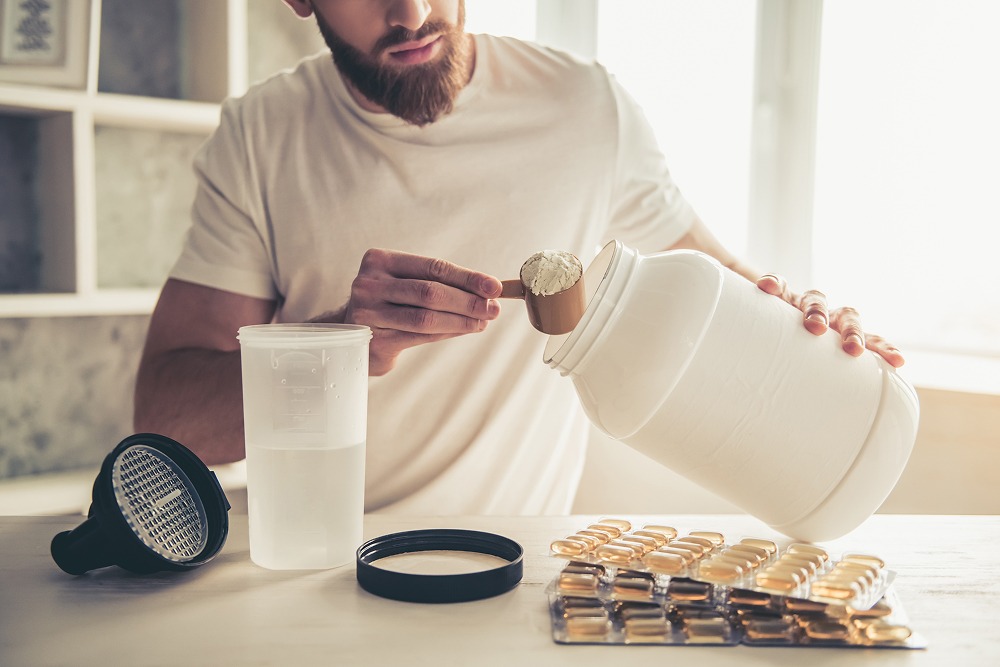
Whey protein is useful for:
- Convenience
- Post-workout intake
- Hitting daily targets
Whey is high in leucine — the key amino acid that stimulates muscle protein synthesis (MPS).
Timing
Total daily protein matters more than timing.
However:
- 20–40g post-workout is reasonable
- Spread protein across 3–5 meals daily
- Aim for ~0.4g/kg per meal
3. Vitamin D – The Overlooked Hormone Regulator
Vitamin D is not just a vitamin — it functions more like a hormone.

It plays a role in:
- Testosterone regulation
- Immune function
- Bone density
- Muscle strength
- Mood
Deficiency is extremely common, even in sunny climates.
Evidence
Low Vitamin D levels are associated with:
- Reduced testosterone
- Reduced strength output
- Increased injury risk
- Poor immune resilience
Correcting deficiency improves performance markers in deficient individuals.
Dose
Depends on blood levels, but commonly:
- 1000–4000 IU daily
Best practice:
Test 25-OH Vitamin D levels before supplementing aggressively.
Optimal range for performance: ~75–125 nmol/L (lab dependent).
4. Magnesium – The Recovery Mineral
Magnesium is involved in over 300 enzymatic reactions in the body.\
For lifters, it matters for:
- Sleep quality
- Muscle relaxation
- Recovery
- Nervous system regulation
- Testosterone optimisation (indirectly)
Hard-training athletes often have higher magnesium demands.
Signs You Might Be Low
- Poor sleep
- Muscle cramps
- High stress
- Twitching
- Fatigue
Forms That Actually Work
- Magnesium glycinate (best for sleep)
- Magnesium citrate (more laxative effect)
- Magnesium threonate (neurological focus)
Dose
- 200–400mg elemental magnesium nightly
Better sleep = better recovery = better muscle growth.
5. Omega-3 Fatty Acids – Inflammation Control
Intense training creates inflammation.
That’s part of adaptation — but chronic excessive inflammation impairs recovery.
Omega-3s:
- Improve recovery
- Support joint health
- Enhance insulin sensitivity
- May enhance muscle protein synthesis in older athletes
Dose
- 1–3g combined EPA/DHA daily
High-quality fish oil matters.
6. Caffeine – Performance Amplifier
One of the most effective ergogenic aids available.

Benefits:
- Increased strength output
- Increased power
- Reduced perceived exertion
- Improved focus
Dose
- 3–6 mg per kg bodyweight
- Taken 30–60 mins pre-workout
Be cautious with sleep disruption.
Use strategically, not daily dependency.
7. Zinc – Hormone & Recovery Support
Zinc plays a role in:
- Testosterone production
- Immune health
- Recovery
- Wound healing
Deficiency reduces testosterone levels.
Athletes who sweat heavily may lose more zinc.
Dose
- 15–30mg daily (avoid excessive chronic dosing)
What Supplements Are Overrated?
- BCAAs (if protein intake is adequate)
- Testosterone boosters (most lack strong evidence)
- Fat burners
- “Anabolic” proprietary blends
If your:
- Sleep is poor
- Protein is low
- Training lacks intensity
No supplement will fix that.
The UGC Supplement Hierarchy
If you train hard and want maximal results:
Tier 1 (Non-Negotiable)
- Creatine
- Protein (if needed to hit intake)
- Vitamin D (if deficient)
Tier 2 (Highly Valuable)
- Magnesium
- Omega-3
- Caffeine (strategic)
Tier 3 (Situational)
- Zinc
- Electrolytes
- Beta-alanine
Final Takeaway
Supplements don’t build muscle.
Training builds muscle.
But smart supplementation:
- Increases output
- Improves recovery
- Optimises hormones
- Enhances consistency
And consistency wins.
Inside UGC, the guys climbing leaderboards aren’t relying on hype powders.
They’re:
- Training with progressive overload
- Eating sufficient protein
- Sleeping properly
- Using evidence-based supplementation
Do the fundamentals.
Then optimise intelligently.
That’s how average men become elite.