




Sleep Like a Champion: The Most Underrated Muscle-Building Tool
When people think about building muscle, they focus on training harder, lifting heavier, and eating more protein.
But there’s one factor that separates average physiques from elite ones—and most people completely ignore it:
Sleep.
If your sleep is poor, your progress will be slow.
If your sleep is optimised, everything else becomes easier—fat loss, muscle gain, strength, recovery, even motivation.
This is where real competitors win.
Why Sleep Matters More Than You Think

Sleep isn’t just “rest.”
It’s an active recovery and growth phase where your body rebuilds itself.
During deep sleep:
- Growth hormone is released (critical for muscle repair)
- Testosterone production peaks (key for strength and muscle growth)
- Muscle protein synthesis increases
- Cortisol (stress hormone) decreases
If you cut your sleep short, you’re literally cutting your gains short.
The Hormonal Impact of Poor Sleep
When you consistently sleep less than 6–7 hours, your body shifts into a stress-dominant state.
This leads to:
1. Lower Testosterone
Even one week of poor sleep can significantly reduce testosterone levels.
→ Less muscle growth
→ Lower energy
→ Reduced performance in the gym
2. Higher Cortisol
Cortisol increases when you’re sleep-deprived.
→ Increased fat storage (especially around the abdomen)
→ Poor recovery
→ More muscle breakdown
3. Increased Hunger (Ghrelin) + Reduced Fullness (Leptin)
You feel hungrier, crave junk food, and struggle to stay disciplined.
This is why:
You can train perfectly, but still gain fat if your sleep is poor.
Sleep & Performance: What Happens in the Gym
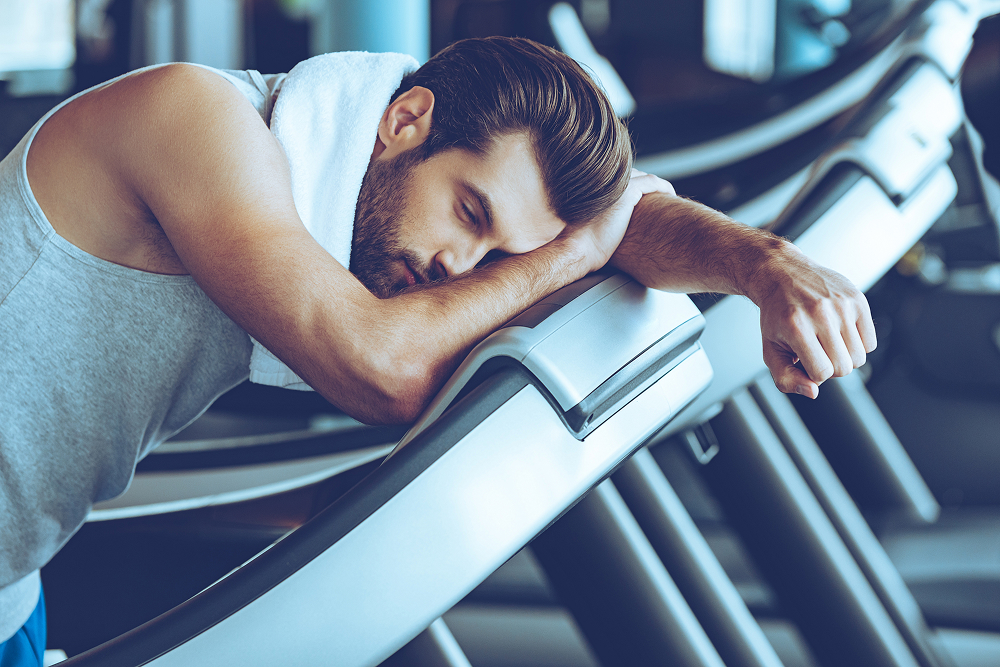
If you’ve ever had a bad night’s sleep, you already know:
- Your strength drops
- Your focus is off
- Your endurance decreases
- Your motivation disappears
But here’s what most people don’t realise:
Sleep deprivation reduces muscle recruitment and coordination.
Meaning:
→ You’re not just weaker
→ You’re training less effectively
Over time, this compounds into slower progress and higher injury risk.
Recovery: Where Real Growth Happens
Training breaks muscle down.
Recovery builds it back stronger.
Sleep is the most powerful recovery tool you have.
During deep sleep:
- Muscle fibres repair and grow
- Inflammation reduces
- The nervous system resets
- Energy stores (glycogen) are restored
If you train hard but don’t sleep properly, you’re stuck in a constant state of under-recovery.
That’s where plateaus happen.
How Much Sleep Do You Actually Need?
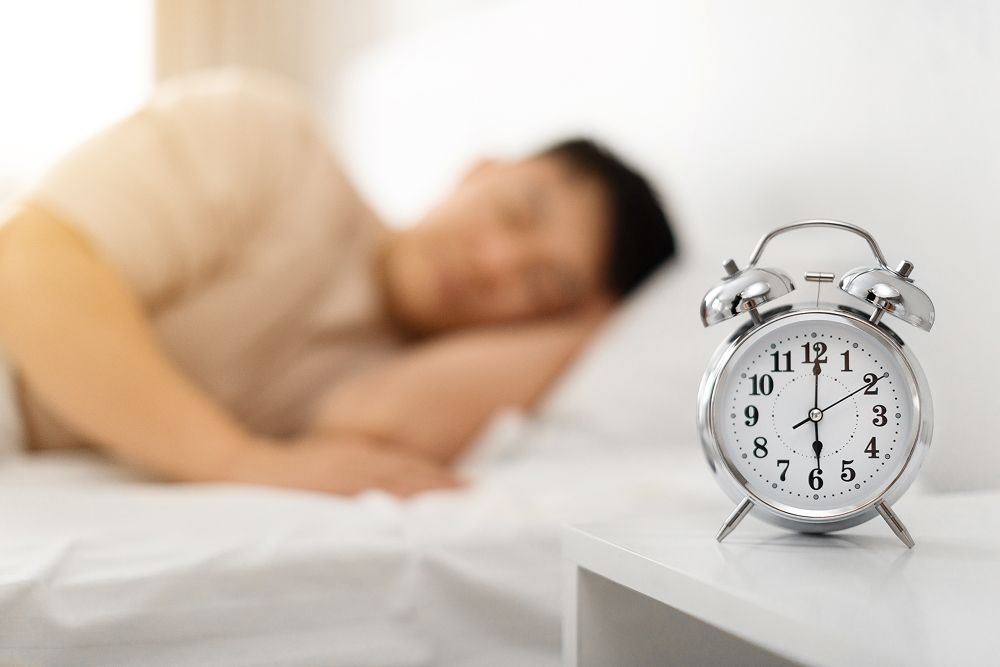
For optimal performance and physique:
- Minimum: 7 hours
- Optimal range: 7.5 – 9 hours
- Elite performance level: 8+ hours consistently
Consistency matters more than occasional long nights.
How to Optimise Your Sleep Like a UGC Athlete
If you want to perform like a competitor, you need to treat sleep like part of your training.
1. Lock in a Sleep Schedule
Go to bed and wake up at the same time every day.
Your body thrives on routine.
2. Cut Screens Before Bed
Blue light suppresses melatonin (your sleep hormone).
→ Avoid screens 60–90 minutes before sleep
→ Or use blue light blockers
3. Control Your Environment
Your bedroom should be:
- Cool (around 18–20°C)
- Dark (blackout curtains help)
- Quiet
Think: recovery chamber, not just a bedroom
4. Avoid Late Stimulants
Caffeine has a half-life of 6–8 hours.
→ Cut it off by early afternoon
5. Train Smart, Not Late
Late-night intense training can elevate cortisol and delay sleep.
If you train at night:
→ Keep it structured
→ Allow time to wind down
6. Use Supplements Strategically (If Needed)
Evidence-based options:
- Magnesium glycinate → improves relaxation and sleep quality
- Glycine → supports deeper sleep
- Melatonin → short-term use for sleep regulation
(Always use appropriately and not as a crutch.)
The UGC Mindset: Sleep Is a Competitive Advantage
Most people treat sleep as optional.
That’s why most people stay average.
In UGC, this is where you separate yourself.
While others:
- Scroll late
- Sleep 5 hours
- Show up tired
You:
- Recover properly
- Perform better
- Progress faster
This is how you climb the leaderboard.
Final Takeaway
If you’re serious about:
- Building muscle
- Losing fat
- Increasing performance
- Staying consistent
Then sleep is not optional—it’s non-negotiable.
Train hard.
Eat smart.
Sleep like a champion.