




Eat to Grow: The Complete Muscle-Building Nutrition System
Built for Strength, Size, and Real Results
Training hard is only half the equation. You can have the most dialled-in program in the gym, but if your nutrition isn’t structured for muscle growth, progress stalls fast. Muscle isn’t built in the squat rack — it’s built through consistent fueling, recovery, and precision nutrition.
This guide breaks down a simple, science-backed nutrition plan for muscle growth, designed for men who lift heavy, train consistently, and want to look strong year-round — not just on pump days.
1. Calories: The Foundation of Muscle Growth
You cannot build muscle without eating enough. Period.
Muscle growth requires a calorie surplus, meaning you consume more energy than you burn. The goal is to provide your body with enough fuel to build new tissue without excessive fat gain.
How to set your calories
- Start with maintenance calories
- Add +250–400 calories per day
- Adjust every 2–3 weeks based on:
- Bodyweight changes
- Strength progression
- Visual physique changes
If your weight isn’t slowly increasing, you’re not eating enough — no matter how “clean” your diet feels.
2. Protein: The Muscle-Building Macronutrient

Protein provides the raw materials your body uses to repair and grow muscle tissue. Without adequate protein, muscle growth is capped — even in a calorie surplus.
Protein intake target
- 1.6–2.2 g per kg of bodyweight per day
- Spread evenly across the day
- Prioritise whole, high-quality sources
Best protein sources
- Lean beef
- Chicken breast or thighs
- Eggs
- Fish (salmon, tuna, barramundi)
- Greek yoghurt
- Whey or plant-based protein powders
Aim for 25–40 g of protein per meal, 4–6 meals per day.
3. Carbohydrates: Fuel for Performance and Growth

Carbs are not the enemy — they are the engine behind hard training sessions. They replenish muscle glycogen, support training intensity, and improve recovery.
Low-carb diets may work for fat loss, but they limit muscle growth for most lifters.
Carb intake guidelines
- 3–6 g per kg of bodyweight
- Higher end for:
- High-volume training
- Competitive or advanced lifters
- Lower end for:
- Rest days
- Reduced training volume
Best carb sources
- Rice (white or jasmine around training)
- Potatoes
- Oats
- Pasta
- Fruit
- Wholegrain bread
Carbs should be higher on training days, especially pre- and post-workout.
4. Fats: Hormones, Recovery, and Health
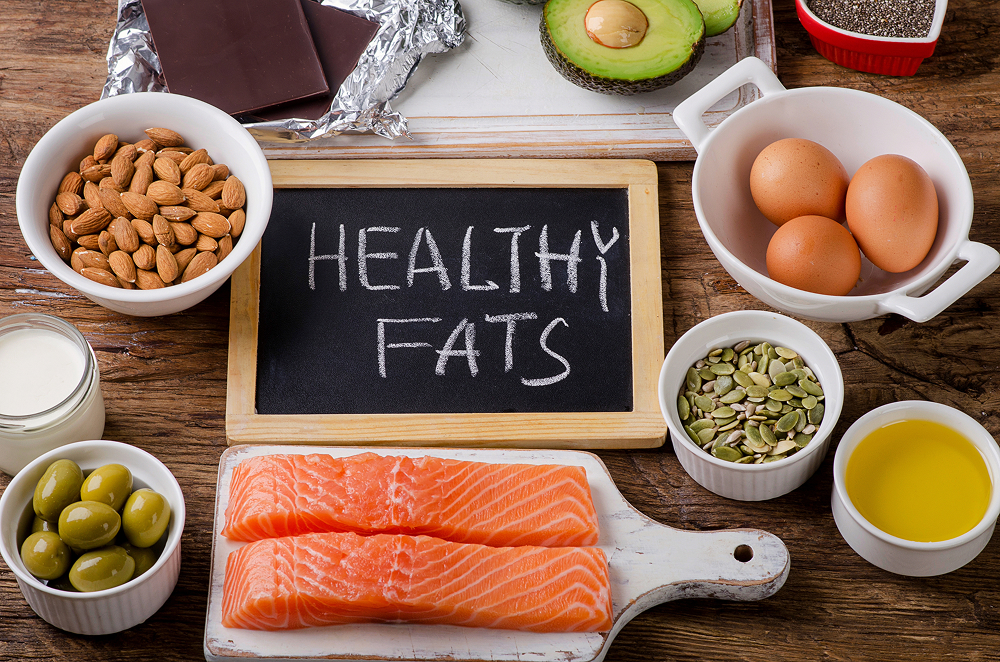
Dietary fats play a major role in testosterone production, joint health, and overall recovery. Cutting fats too low can stall progress and negatively affect energy and mood.
Fat intake target
- 0.6–1 g per kg of bodyweight
- Keep fats consistent day to day
High-quality fat sources
- Olive oil
- Avocado
- Nuts and seeds
- Egg yolks
- Fatty fish
Balance is key — fats support growth, but excess fat intake can crowd out carbs needed for performance.
5. Nutrient Timing: When You Eat Matters
While total daily intake matters most, strategic timing can improve performance and recovery.
Pre-workout (60–90 mins before)
- Protein + carbs
- Example:
- Chicken and rice
- Whey protein + oats
- Greek yoghurt + fruit
Post-workout (within 1–2 hours)
- Fast-digesting protein
- Moderate to high carbs
- Example:
- Whey shake + banana
- Lean meat + white rice
This window supports muscle protein synthesis and replenishes glycogen.
6. Hydration and Micronutrients

Muscle is over 70% water. Dehydration reduces strength, endurance, and recovery.
Hydration guidelines
- 3–4 L water daily
- More if training hard or sweating heavily
Micronutrients that matter
- Magnesium (muscle function)
- Zinc (testosterone support)
- Sodium and potassium (performance)
- Fibre (gut health and nutrient absorption)
A diet built around whole foods usually covers these without the need for excessive supplementation.
7. Supplements: Useful, Not Magic

Supplements are exactly what the name suggests — supplementary.
Evidence-based supplements for muscle growth
- Creatine monohydrate (5 g daily)
- Protein powder (to hit protein targets)
- Caffeine (pre-workout performance)
- Omega-3s (recovery and inflammation)
If your diet is poor, supplements won’t save you. If your diet is dialled in, they can give you an edge.
8. Consistency Beats Perfection
The best nutrition plan is the one you can stick to long-term.
Muscle growth doesn’t come from one perfect week of eating — it comes from:
- Consistent calorie surplus
- Daily protein targets
- Progressive training
- Adequate sleep and recovery
Miss a meal? Move on. Overeat one day? Adjust the next. Results are built over months, not days.
The UGC Nutrition Mindset
At UGC, we don’t believe in extreme diets or short-term fixes. We believe in structured nutrition that supports performance, aesthetics, and longevity.
Fuel your body like an athlete. Train with intent. Recover properly.
That’s how muscle is built — and champions are made.