




Creatine: The Most Powerful Supplement for Strength, Muscle Growth, and Performance
When it comes to supplements that actually work, very few have the scientific backing that creatine does. In a fitness industry full of hype, marketing tricks, and overpriced formulas, creatine remains one of the most researched, safest, and most effective supplements available for improving strength, muscle growth, and athletic performance.
For anyone serious about training — whether you're lifting to dominate the gym, build muscle, or climb the leaderboard in UGC: Ultimate Gym Champion — creatine should be considered a foundation supplement.
This guide breaks down what creatine is, how it works, why it builds muscle, and how to use it correctly to maximize performance.
What Is Creatine?
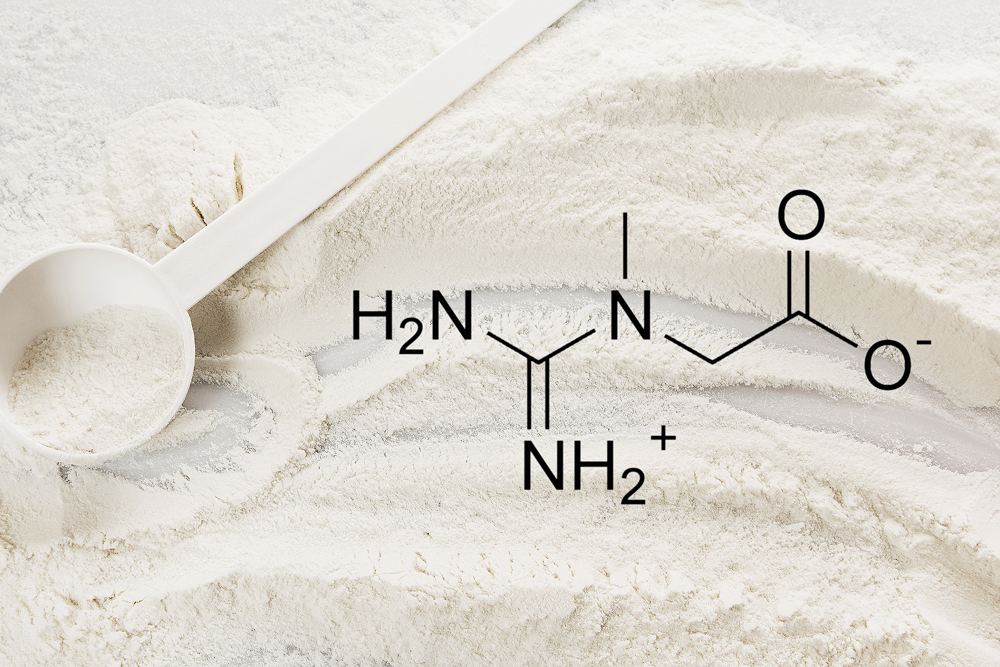
Creatine is a naturally occurring compound found in the body, primarily stored in muscles. It is made from three amino acids:
- Arginine
- Glycine
- Methionine
Your body produces small amounts of creatine in the liver, kidneys, and pancreas, and it is also found in foods such as:
- Red meat
- Fish
- Poultry
However, the amount obtained from diet alone is far below what is required to maximize athletic performance, which is why creatine supplementation is so effective.
Around 95% of the body's creatine is stored in skeletal muscle, where it plays a crucial role in producing energy during high-intensity exercise.
How Creatine Works
To understand why creatine is so powerful, we need to understand how the body produces energy during intense exercise.
The primary energy source for explosive movements — such as:
- Heavy squats
- Bench press
- Deadlifts
- Sprints
- High-rep sets
is a molecule called ATP (adenosine triphosphate).
ATP acts as the fuel currency of muscle contraction.
The problem is that muscles only store enough ATP to power about 8–10 seconds of maximum effort.
This is where creatine comes in.
Creatine is stored in muscle cells as phosphocreatine, which helps regenerate ATP quickly during high-intensity exercise.
When ATP is used for energy, it becomes ADP (adenosine diphosphate). Phosphocreatine donates a phosphate molecule to convert ADP back into ATP, allowing muscles to continue producing powerful contractions.
This means creatine helps you:
- Lift heavier weights
- Perform more reps
- Maintain higher training intensity
- Recover faster between sets
Over time, these small improvements translate into greater muscle growth and strength gains.
The Muscle-Building Benefits of Creatine

Creatine is widely considered the most effective legal supplement for increasing muscle mass and strength. Its benefits extend far beyond simply improving workout performance.
Increased Strength and Power
Creatine increases the body's ability to perform high-intensity, short-duration movements, which are essential for strength training.
Studies consistently show that creatine users can increase their strength output by 5–15%, allowing them to progressively overload muscles more effectively.
Progressive overload — gradually increasing the weight, reps, or intensity of training — is the single most important driver of muscle growth.
Greater Muscle Size
Creatine promotes muscle growth through several mechanisms:
- Improved training performance
More reps and heavier weights stimulate greater muscle adaptation. - Increased muscle cell hydration
Creatine draws water into muscle cells, creating a fuller appearance and promoting anabolic signalling. - Enhanced muscle protein synthesis
Research suggests creatine may increase the activity of pathways involved in muscle repair and growth.
Many users notice that their muscles appear larger, fuller, and stronger within the first few weeks of use.
Improved Recovery
High-intensity training causes microscopic muscle damage that requires repair.
Creatine has been shown to:
- Reduce muscle cell damage
- Lower inflammation markers
- Improve glycogen storage
This can lead to faster recovery between workouts, allowing athletes to train more consistently and maintain higher weekly training volume.
Creatine and Athletic Performance

Creatine is not only beneficial for bodybuilders or strength athletes.
Research shows improvements in many forms of performance, including:
- Sprinting
- High-intensity interval training
- Powerlifting
- Olympic lifting
- Team sports requiring repeated bursts of power
For competitive athletes — or anyone chasing personal records — creatine can provide a measurable performance advantage.
In a competitive environment like UGC, where every rep, kilogram, and personal best matters, even a small improvement in performance can move you up the leaderboard.
Is Creatine Safe?
Creatine is one of the most studied supplements in sports science.
Decades of research have consistently shown that creatine is safe for healthy individuals when taken at recommended doses.
Studies have found no evidence that creatine causes:
- Kidney damage in healthy individuals
- Liver problems
- Hormonal disruption
The International Society of Sports Nutrition has stated that creatine is both safe and effective for long-term use.
However, individuals with pre-existing kidney disease should consult a doctor before using creatine.
Creatine Myths (That Need to Die)
Despite overwhelming scientific evidence, creatine is still surrounded by myths.
Let's clear up a few of the most common misconceptions.
Myth 1: Creatine Is a Steroid
Creatine is not a steroid.
It is a naturally occurring compound found in food and produced by the body.
Myth 2: Creatine Causes Kidney Damage
Research has consistently shown no harmful effects on kidney function in healthy individuals using creatine at recommended doses.
Myth 3: Creatine Causes Fat Gain
Creatine can cause increased water retention inside muscle cells, which may slightly increase body weight.
However, this is not fat gain — it is intracellular hydration that actually supports muscle performance.
How to Take Creatine Correctly
The most effective form of creatine is Creatine Monohydrate.
It is the most researched, affordable, and effective version available.
Standard Daily Dose
5 grams per day
This dose saturates muscle creatine stores over time and is sufficient for most individuals.
Optional Loading Phase
Some athletes choose to do a loading phase to increase creatine stores more quickly.
Typical loading protocol:
20 grams per day (split into 4 doses) for 5–7 days
After this, continue with 5 grams daily for maintenance.
Loading is optional and not necessary for benefits.
When to Take Creatine
Creatine can be taken:
- Before training
- After training
- With meals
Consistency matters more than timing. The key is taking it daily.
Who Should Take Creatine?
Creatine is beneficial for:
- Weightlifters
- Bodybuilders
- Athletes performing explosive sports
- Individuals trying to increase muscle mass
- Anyone training intensely in the gym
Even beginners can benefit, as creatine helps accelerate early strength and muscle gains.
Creatine and the UGC Mindset

At UGC: Ultimate Gym Champion, the focus is simple:
Train harder.
Compete harder.
Become stronger every week.
Creatine aligns perfectly with that mindset.
It doesn't replace discipline, training, or consistency — but it amplifies the results of hard work.
If you're chasing personal records, leaderboard rankings, or simply a stronger physique, creatine is one of the most powerful tools you can add to your routine.
Final Thoughts
Creatine remains the gold standard supplement for strength, muscle growth, and athletic performance.
It is:
- Scientifically proven
- Safe for long-term use
- Highly effective
- Affordable and accessible
For anyone serious about building muscle and dominating their workouts, creatine is not just another supplement — it is a performance multiplier.
Train hard.
Lift heavy.
Recover strong.
And keep pushing your limits — because champions are built one rep at a time.